Project for Japanese Cultural Workshops

A bridge of exchange, learning, and cultural sharing
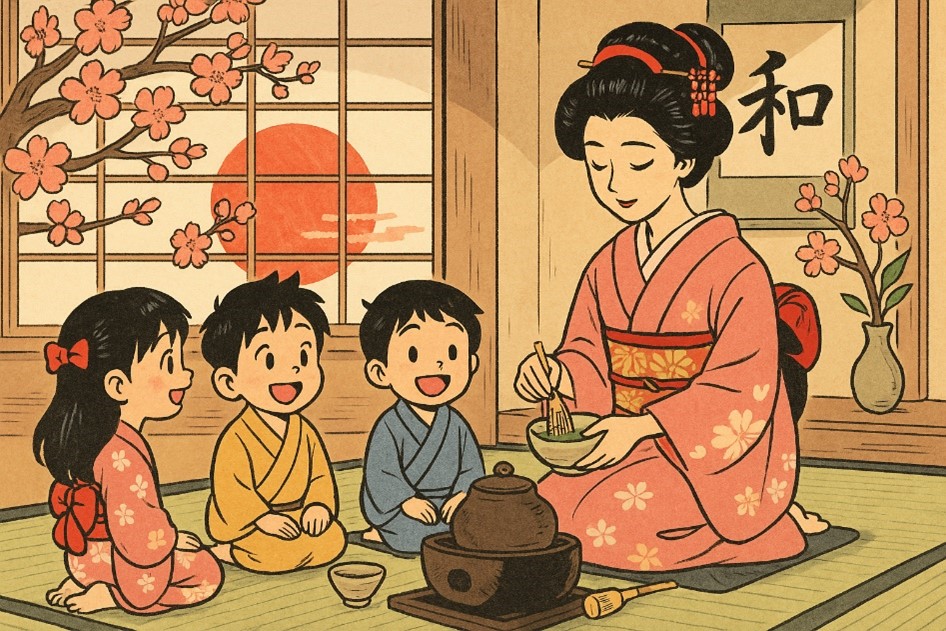
Tea Ceremony

Tea Ceremony

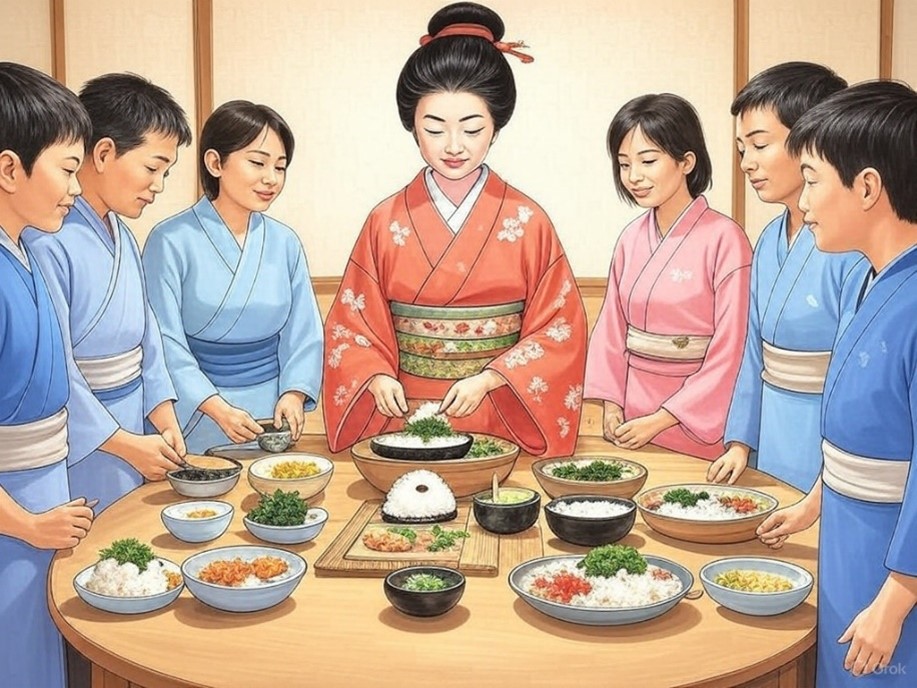
Japanese Cuisine

Japanese Cooking

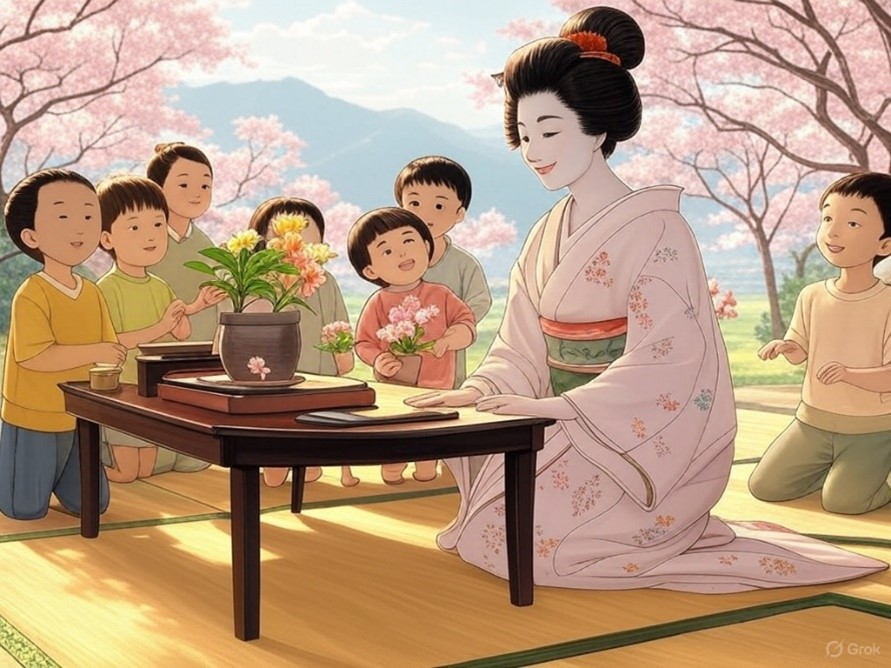
Ikebana

Ikebana

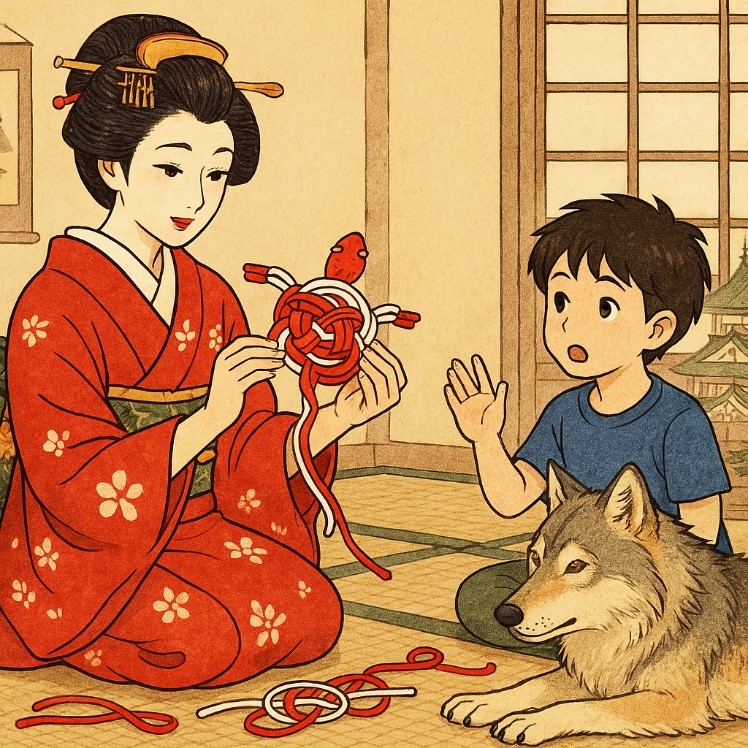
Mizuhiki

Mizuhiki

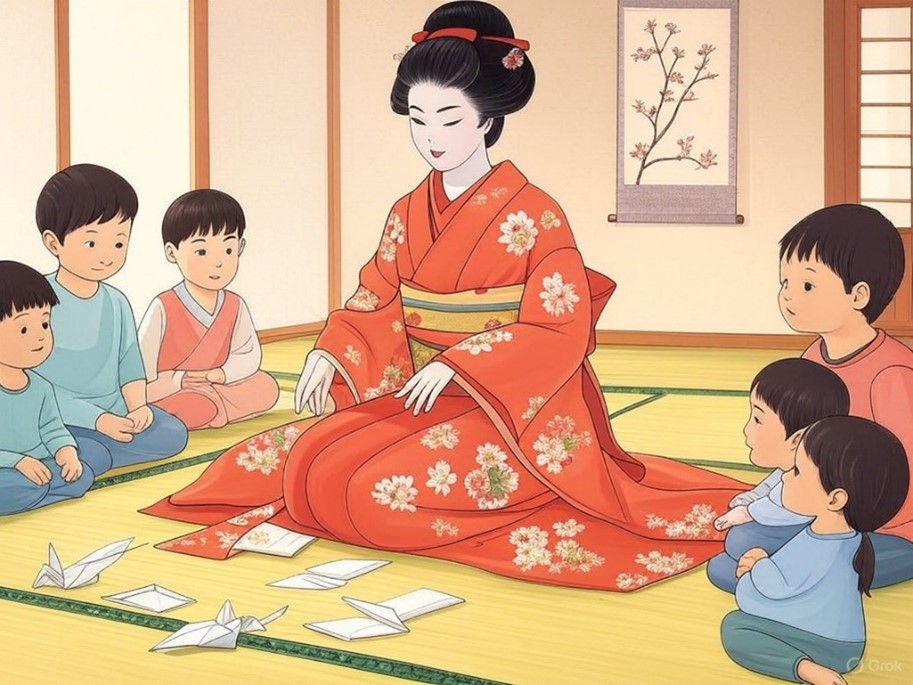
Origami

Origami

Calligraphy

Calligraphy

Introduction

Welcome to this discovery activity on the Japanese tea ceremony, organized by Misako. This activity aims to introduce participants to this rich cultural practice, exploring its history, principles, and practical application. Misako will guide participants through an immersive experience, ensuring that everyone understands and appreciates this tradition.
Activity Details

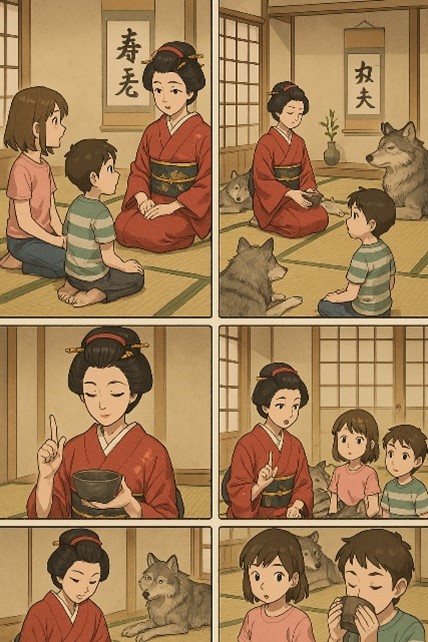
Tea ceremony image

Misako will structure the activity into several stages to engage participants:

  • Welcome and Introduction: Misako will say: "Welcome to this discovery activity on the Japanese tea ceremony. My name is Misako, and I am delighted to share with you one of Japan's most beautiful cultural practices."
  • History: Tea was introduced to Japan in the 8th century from China. Sen no Rikyū refined it in the 16th century. A famous anecdote illustrates his philosophy: he cut all the flowers in his garden of volubilis (morning glories) to leave only one perfect flower displayed in the tokonoma, forcing the guest to focus on the present moment.
  • Principles: Misako will explain: "The principles are harmony (wa), respect (kei), purity (sei), and serenity (jaku)."
  • Tea Room: "The chashitsu is a simple space with tatami mats and a tokonoma."
  • Utensils: Presentation of the chawan (bowl), chashaku (spoon), and chasen (whisk).
  • Demonstration: Misako will prepare and serve the matcha, explaining each gesture.
  • Tasting: "Matcha has a fresh, grassy aroma combined with a deep bitterness, very different from classic green tea."
  • Q&A: An interactive session to explore deeper.

Support Our Project

Every participation in our cultural workshops organized in Belgium and Shikoku directly funds bourses of mobility for students in traditional crafts and the materials needed for the renovation of akiyas into modern bike shelters.
Solidary products

Solidary Shop

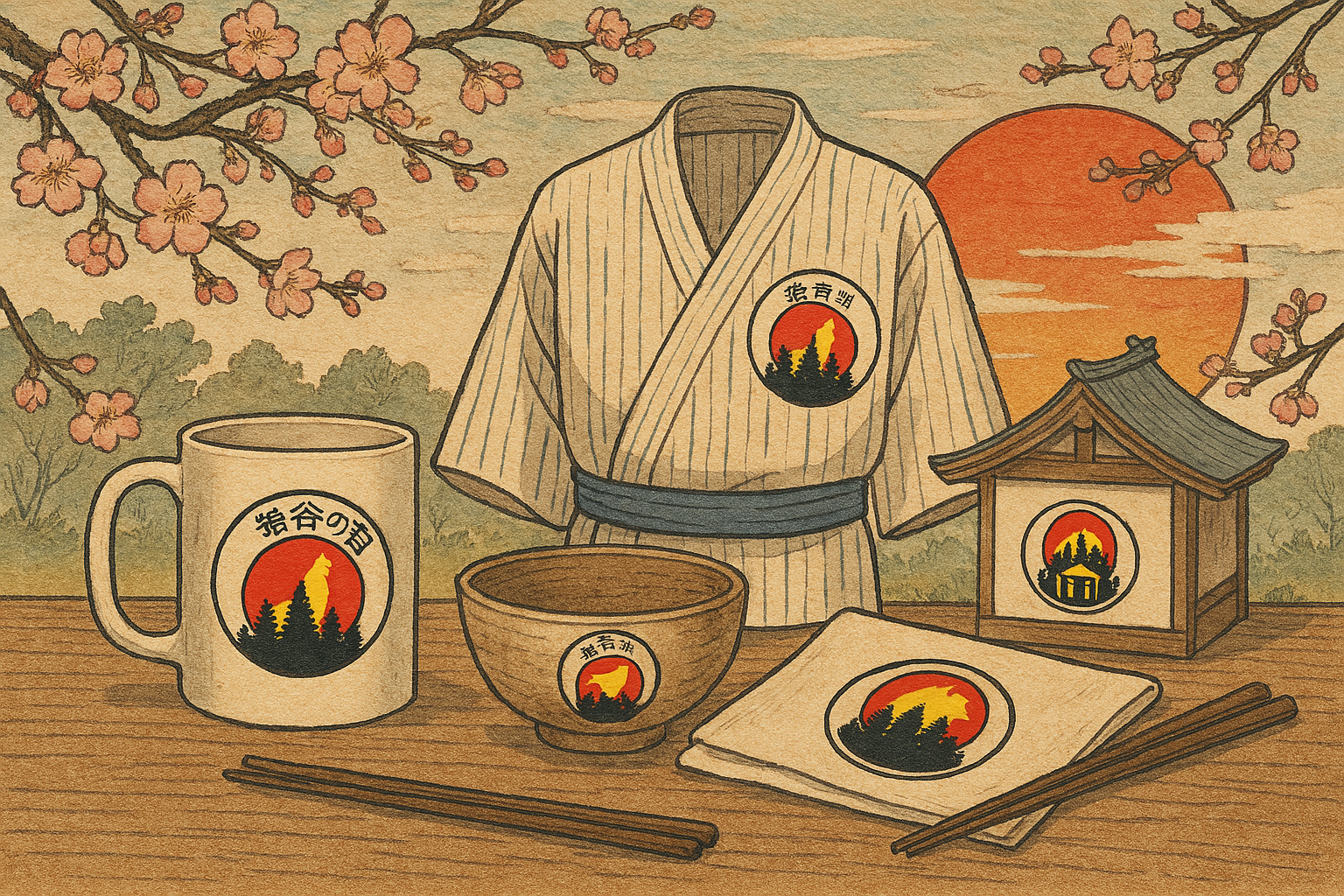
Support our projects by purchasing unique handcrafted items branded with the Ontny logo (mugs, traditional yukatas, tea bowls). Every purchase funds our students' mobility and companionship scholarships.

En savoir plus
Donation icon

Support the Project (Future Donations)

Help us directly by making an online donation. Every contribution buys wood, tools, and solar panels for the akiya renovation chantiers carried out by students.



Donate Now
Français Japonais Anglais Néerlandais Allemand Espagnol